How Commercial Tinting Reduces Cooling Costs in Arizona
In Arizona’s desert climate, commercial tinting is a smart way for businesses to manage rising cooling costs. Without window film, offices in Phoenix, Scottsdale, or Mesa often feel like greenhouses because of the intense heat and sunlight.
Air conditioning systems have to run constantly, which raises energy bills. Glare from the sun makes it harder for employees to focus. Over time, UV rays and heat can also fade furniture, damage interiors, and make the space less comfortable.
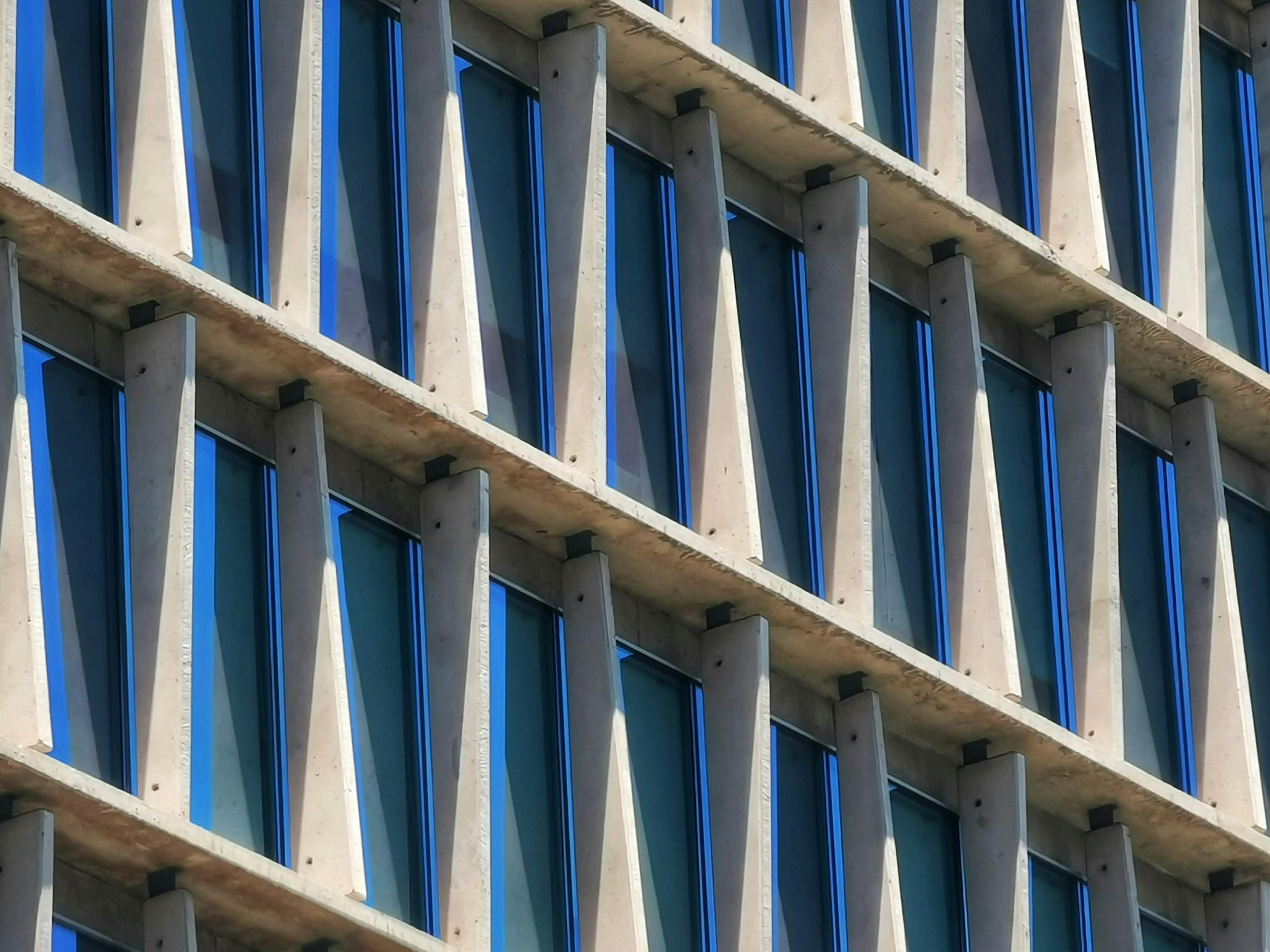
Commercial window film helps solve these problems. It controls heat from the sun while keeping natural light and the building’s appearance. This reduces the strain on HVAC systems, keeps indoor temperatures steady, and saves energy. For example, an office with large glass walls can reduce glare at desks, protect merchandise, and lower monthly AC bills without needing to replace the windows.
This article explains how commercial tinting works, why professional installation is important, and how Arizona businesses can use window film to save energy, improve comfort, and increase property value over time.
The Science of Savings: How Commercial Window Tinting Transforms Your Building
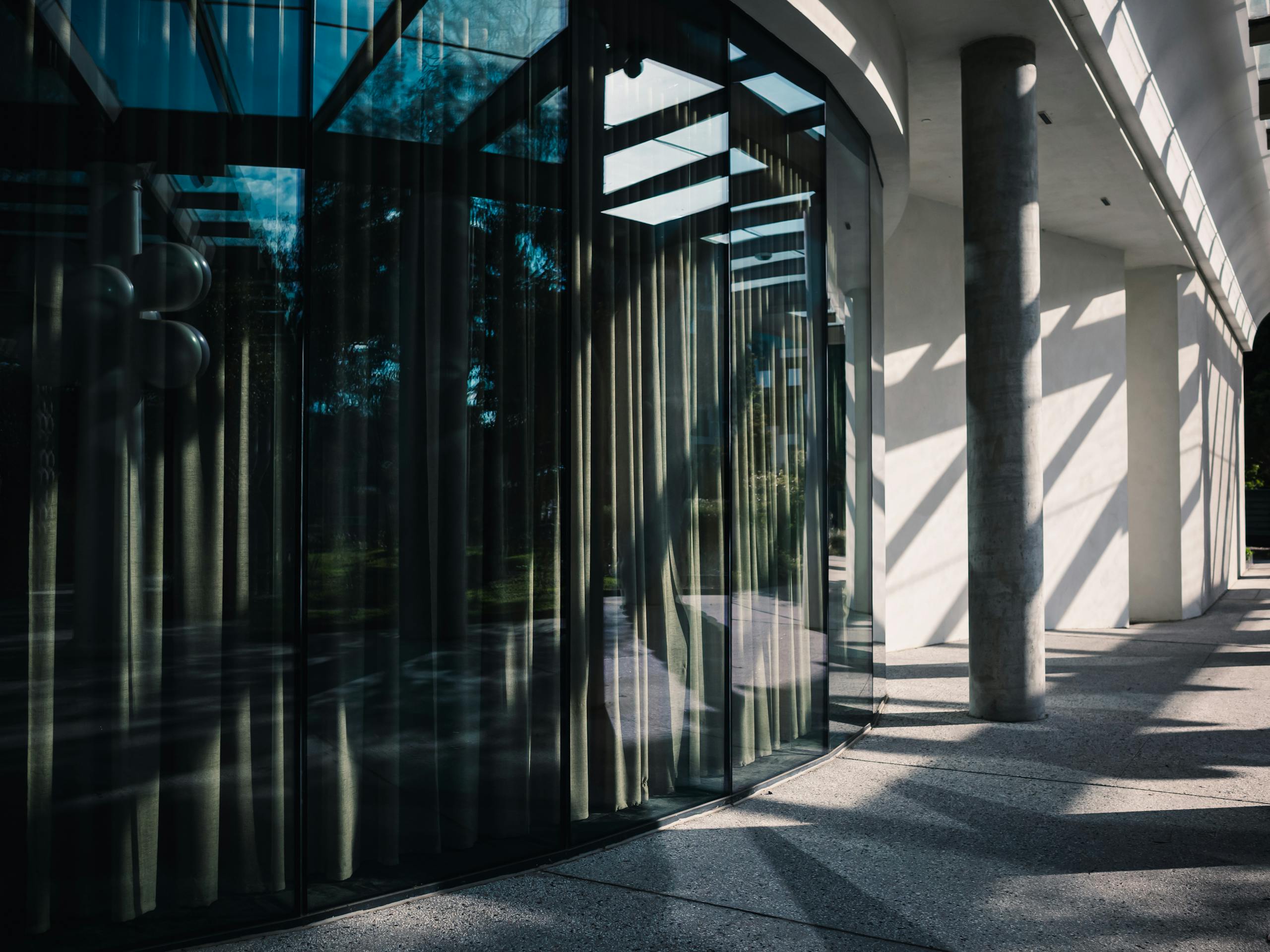
After commercial window tinting is installed, it does much more than reduce glare. In Arizona’s harsh desert climate, blocking heat and sunlight at the windows is one of the best ways to control energy use.
Window film limits heat from the sun before it gets inside, which helps keep indoor temperatures steady and comfortable all day. Offices with big windows no longer get too hot, and people can still enjoy natural daylight without harsh glare.
For example, a commercial building in Phoenix or Scottsdale with west-facing windows gets the most heat in the afternoon. Without window film, the sun makes HVAC systems run all the time, which raises energy costs and wears out equipment faster. Installing solar control or ceramic window films blocks much of the infrared heat and UV rays at the window.
This reduces the strain on HVAC systems, lowers air conditioning bills, and helps the equipment run more efficiently and as recommended.
Besides saving energy, commercial window film protects furniture, merchandise, and flooring from fading caused by UV rays. This helps keep interiors looking good, supports property value, and lowers replacement costs over time.
Many modern window films let in the right amount of daylight, so businesses can keep a professional look and enjoy natural light while also improving privacy and security.
When installed by certified professionals, commercial tinting is a durable and low-maintenance upgrade. It boosts energy efficiency, helps employees stay productive, improves comfort for tenants, and makes existing windows work better in Arizona’s strong sun.
Lower Cooling Costs, Better Comfort: The Value of Commercial Window Film
Lower Cooling Costs
One of the first benefits of commercial window tinting is lower energy use. By blocking heat from the sun, Arizona businesses can cut cooling costs by up to 30%. For example, a Phoenix office with large glass windows will need less air conditioning after window film is installed, leading to more stable energy bills and long-term savings.
Consistent Indoor Comfort
Window film helps keep temperatures even throughout a building. Instead of having hot spots near windows and cooler areas inside, the space stays balanced and comfortable. In stores or offices, this makes customers feel better and helps employees stay focused without always changing the thermostat.
Reduced Glare, Better Focus
Arizona’s strong sunlight often causes glare on screens and shiny surfaces. Commercial window tinting can cut glare by over 80%, making it easier to see and reducing eye strain. For employees at computers or front desks, less glare means better focus and fewer headaches.
Interior Protection
High-performance window films block up to 99% of harmful UV rays, protecting furniture, flooring, and merchandise from fading. For businesses with displays near windows, this protection keeps things looking good and lowers replacement costs over time.
HVAC System Longevity
By reducing heat, window tinting helps HVAC systems run more efficiently. Air conditioners don’t have to work as often, which means less wear and fewer repairs. This can make equipment last longer and delay the need for replacements, which is a financial benefit many business owners overlook.
The ROI Blueprint: Measuring the Real Value of Commercial Window Tinting
Commercial window tinting is a smart investment, not just a short-term cost. When installed properly, high-quality window film provides real energy savings, long-term cost reductions, and adds value to commercial properties.
Failing to implement these energy-saving measures could lead to hefty future costs, such as frequently replacing sun-faded inventory or worn-out furniture. Also, higher utility bills will continue to weigh heavily on operational budgets.
This makes window tinting one of the best upgrades for businesses in Arizona’s tough climate.
Payback Period: When Savings Overtake Costs
Most commercial window tinting projects pay for themselves in two to five years. You can figure this out by dividing the installation cost by the yearly energy savings. To make it easier, you can use a simple formula: Film cost ÷ annual savings = payback years.
For example, if your installation cost is $15,000 and you save $5,000 per year, it will take you 3 years to reach the break-even point. After reaching this break-even point, the ongoing savings add to your profits for the rest of the film’s life, which is often 15 to 20 years. In other words, the windows keep saving you money year after year.
What Impacts Energy Savings
The actual return on investment depends on three key factors: Building, Climate, and Operations.
Under Building factors, structures with lots of windows, especially those facing south or west, receive more heat from the sun and see bigger energy savings after tinting. Older single-pane windows usually benefit more than newer ones.
Climate considerations include Arizona’s intense sunlight and temperature variations, which significantly affect energy use.
Finally, Operations involve HVAC efficiency, insulation, and even the direction a building faces, all affecting the results.
By considering these three categories, businesses can better evaluate their potential energy savings when seeking quotes for window tinting.
Real-World Example
For example, a 10,000-square-foot office in Phoenix might spend $20,000 a year on cooling. If ceramic window film is installed for $15,000, cooling costs could drop by 25%. That’s $5,000 saved each year, so the film pays for itself in three years. Over ten years, those savings add up to tens of thousands of dollars.
Added Property Value
Besides saving energy, commercial window tinting can increase property value, attract tenants, and support sustainability goals. Energy-efficient buildings are more appealing to buyers and tenants. Window film also helps with green certifications like LEED, which boosts marketability and long-term performance.
Choosing the Right High-Performance Film for Arizona’s Extreme Climate
In Arizona’s desert climate, not all window films work the same way. The strong sun and high UV levels make it important to choose the right film for real energy savings, comfort, and long-lasting results. The best films balance heat rejection, glare control, looks, and function, and can handle years of tough conditions.
Solar Control Films: The First Line of Defense
Solar control window films manage the sun’s energy before it gets inside. They reduce heat, glare, and UV rays, making them a great choice for commercial buildings in Phoenix, Scottsdale, Mesa, and Tucson. Good solar control films are made for desert climates and help keep indoor temperatures steady while reducing the load on HVAC systems during long summer days.
Why Ceramic Films Stand Out
Ceramic window films are one of the most advanced options available. They use nano-ceramic technology instead of metals to block a lot of infrared heat while keeping views clear and letting in natural light. This makes them great for offices, medical buildings, and retail spaces where looks and visibility are important. Ceramic films also don’t interfere with signals and last a long time, which is important for long-term savings.
Reflective Films for Maximum Heat Rejection
For properties where performance matters more than appearance, reflective or metallized films offer some of the best heat rejection. These films reflect heat away from the glass, greatly reducing indoor heat and providing strong privacy during the day. They are often used in industrial buildings, warehouses, and commercial spaces with lots of sunlight.
Combining Safety with Security Films
Security window films add protection by holding glass together if it breaks during impacts, break-ins, or storms. Many modern security films also block heat and UV rays, so businesses can improve security and energy efficiency at the same time.
Decorative Films for Privacy and Design
Decorative and frosted window films are a stylish way to add privacy without blocking natural light. They are often used in conference rooms, storefronts, and inside glass walls to create separation, add branding, and give a professional look.
Understanding Key Performance Metrics
When selecting a film, focus on three critical specifications:
- Visible Light Transmission (VLT): Controls brightness and daylight levels
- Solar Heat Gain Coefficient (SHGC): Lower values mean better heat reduction
- UV Rejection: Look for 99% or higher to protect interiors and furnishings
Choosing the right window film gives you the best performance, comfort, and long-term value in Arizona’s tough climate.
Arizona-Specific Considerations
Installing commercial window tinting in Arizona needs a local approach. The state’s strong sun, desert climate, and building rules all affect which window film to choose and how to install it. Businesses that know these local factors can get the most energy savings, comfort, and long-term results.
One of the first considerations is compliance with Arizona state laws and local building standards. While commercial properties have more flexibility than residential buildings, certain municipalities may still enforce guidelines related to reflectivity, visibility, or safety glazing, especially for storefronts and public-facing windows.
Working with a local provider ensures the window film meets code requirements and does not affect emergency exits, building security, or warranties.
Climate is another key factor. In cities like Phoenix, Scottsdale, Mesa, and Tucson, long periods of heat from the sun put extra stress on HVAC systems.
It’s important to choose films with a low Solar Heat Gain Coefficient (SHGC) and high infrared rejection to lower cooling needs and keep indoor temperatures steady. A film that works in mild climates might not be effective in Arizona’s extreme heat.
Local expertise is important for installation. Professional installers know how glass type, building direction, and sun angles affect performance. For example, west-facing windows usually need stronger heat-blocking films for the afternoon sun, while north-facing windows may need films that focus on glare control and daylight.
Arizona businesses might qualify for utility rebates, tax breaks, or energy-saving programs. A good local provider can help find these options and make sure all paperwork meets utility or sustainability rules.
By considering regulations, climate needs, and available incentives, commercial window tinting becomes a smart investment that gives Arizona businesses the most energy savings, compliance, comfort, and long-term value.
Contact Us!
Our expert window tinting and paint protection film services in Mesa, Tempe, Gilbert, and the surrounding Arizona metro area will keep your car cooler, protect your loved ones from UV rays, and maintain its pristine condition. Visit our website or shop to explore the perfect tint for your vehicle!
FAQ’s
How Long Do Window Tints Last?
High-quality commercial window films usually last 15 to 20 years when installed by professionals. In Arizona, top films are made to handle strong heat and UV rays, so they do not bubble, peel, or fade.
Can Window Films Help With Safety Or Security Concerns?
Yes. Security window films make glass stronger and help keep it in place if it breaks. This can protect against break-ins, accidents, and bad weather. They also add protection from UV rays and heat.
Is Installation Disruptive For Daily Operations?
No. Commercial window tinting is usually done with little disruption. Installers often work in stages and can come outside of business hours, so employees and customers can go about their day as usual.
How Does Window Film Help Reduce Operating Costs?
Window film cuts down on heat from the sun, so your HVAC system does not have to work as hard. This means lower energy bills, less maintenance, and long-term savings for your business.