Beat the Heat: The Best Residential Window Tint Options for Arizona’s Intense Sun
Arizona homeowners deal with some of the strongest sun in the country. You likely see the effects every day: hotter rooms, harsh glare, fading furniture, and higher energy bills during each heatwave.
Standard windows often fall short. They let in heat, UV rays, and too much light, which makes your home less comfortable and puts extra strain on your AC.
That’s why many people in Arizona are turning to residential window tint. It’s a smart way to make your home more comfortable, protect your interiors, and save on energy. Modern films like ceramic, dual-reflective, and solar options do more than just darken your windows.
These films block heat, protect against UV rays, and help manage sunlight, giving your home strong protection from Arizona’s harsh climate. Whether you want to cut energy bills, keep your home cooler, or just enjoy a more comfortable space, the right window film can help.
There are options for every home and every amount of sun, from energy-saving films to decorative styles that enhance your home’s appearance. With professional installation, you get lasting results, more comfort, and protection from UV rays, all while keeping your natural light.
If you want a cooler, safer, and more efficient home, keep reading. This guide will help you find the best window tint options for Arizona’s strong sun so you can choose what’s right for your home.
The Arizona Heat Challenge: A Constant Battle
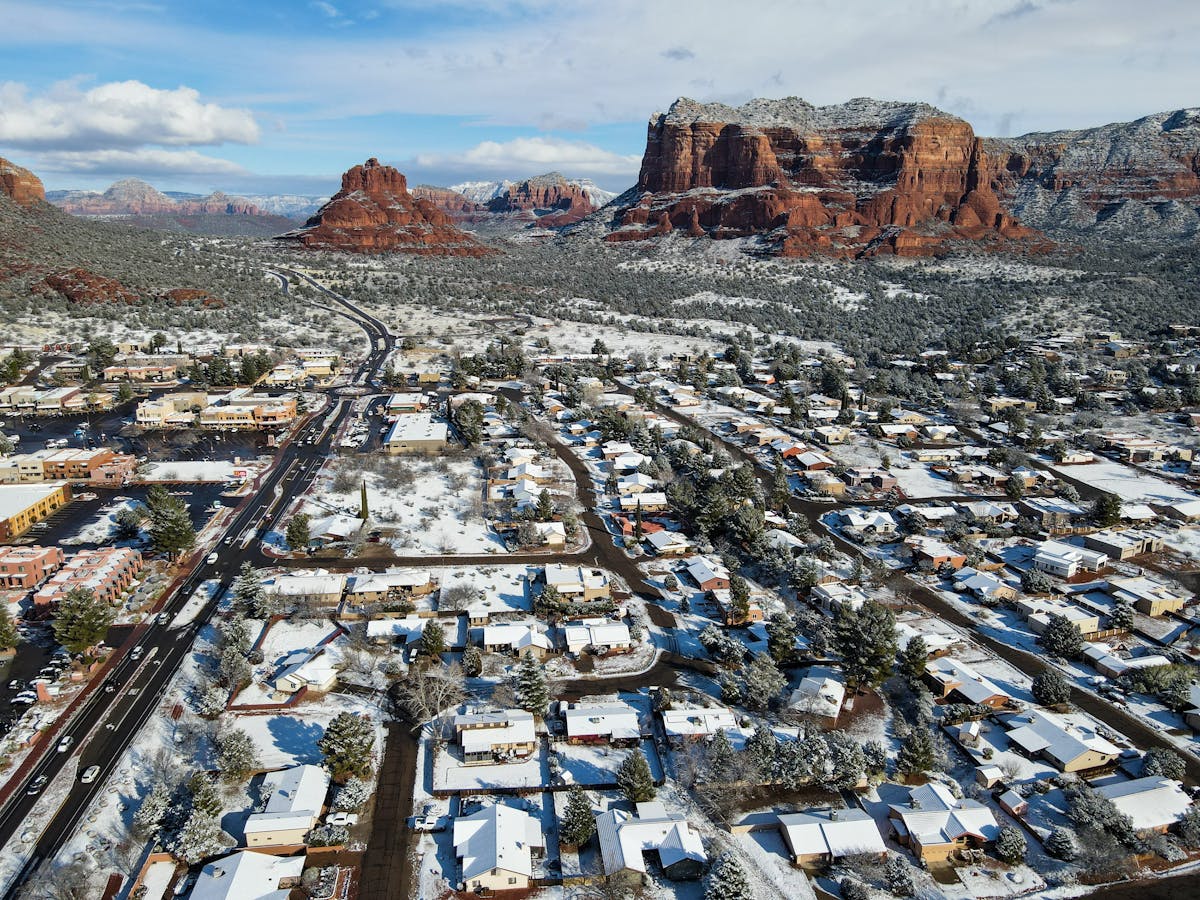
Arizona’s climate is tough. The sun shines most of the year, causing high indoor temperatures. This isn’t just uncomfortable; it’s expensive, since HVAC systems have to work harder to keep things cool. In Phoenix, homes spend about 30% more on summer cooling than the U.S. average, which is around $600 each season.
Constant sun exposure also damages interiors, leading to lasting harm to floors, fabrics, and artwork.
Residential window tinting is a strong and effective solution. Modern window films for homes work much better than car tints. They block the sun’s infrared heat and UV rays, but still let you see outside and enjoy natural light. It’s an investment in comfort, protection, and energy efficiency savings.
Understanding the Arizona Sun’s Impact on Your Home
Arizona’s sun can be tough on both your home and your budget. Understanding these effects shows that protecting your home isn’t just a luxury; it’s a must.
Damage: Harmful UV Rays and Fading
The same UV rays that cause sunburn also fade your home’s interiors. They pass through regular glass, breaking down dyes and materials. Over time, this means faded floors, discolored couches, bleached artwork, and damaged window treatments, which lowers the value and beauty of your belongings.
The Heat Battle: Solar Heat Gain and Energy Drain
Solar heat gain is the reason rooms with large windows get so hot. Sunlight heats up objects inside, and that warmth spreads through the room. Your air conditioner has to work longer and harder, which increases your energy use and bills, especially during Phoenix’s long summers.
Glare and Discomfort: Impact on Daily Living
Bright sunlight causes harsh glare, making it tough to watch TV, use a computer, or relax without squinting. This eye strain can make your home less comfortable and often leads you to close blinds or curtains, blocking natural light and outdoor views.
Benefits of Residential Window Tinting for Arizona Homes
Adding high-quality window films is one of the best upgrades for your Arizona home. It does more than cool a room; it can improve your daily life in many ways.
Heat Rejection & Quantifiable Energy Savings
The main benefit of window tint is that it blocks much of the solar heat before it enters your home. This keeps your home cooler and eases the load on your AC, leading to better energy efficiency and lower energy costs.
UV Protection Films
Quality window tint blocks over 99% of harmful UV rays. This protects your family’s skin from indoor sun exposure and shields your home’s interiors. It helps prevent fading, so your furniture, floors, and décor keep their color for years.
Privacy and Security
Window films adds privacy to your home during the day. Some films create a one-way mirror effect, letting you see out while others can’t see in. The film also helps hold glass together if it breaks, adding extra safety and security.
Glare Reduction
Window film filters strong sunlight and reduces glare. This makes it easier to use screens and enjoy your home without eye strain. You get a more comfortable and usable space every day.
Aesthetic Enhancement
Modern window films come in many shades and finishes that can improve your home’s curb appeal. A sleek, even look adds a modern touch. Along with energy savings and protection, this can also increase your property’s value.
Consider how the tint will look from both the inside and outside. Some films have a more reflective finish than others.
If you live in a community with a Homeowners Association (HOA), be sure to check their guidelines regarding window tinting to ensure compliance before installation.
Decoding Residential Window Tint Types: Best Options for Arizona’s Intense Sun

Not all window tints are alike. The materials and technology affect how well they work, how long they last, and their price. For Arizona’s harsh climate, choosing the right type matters.
Ceramic Window Tints
Ceramic films are a top choice for blocking heat without losing visibility. They use nano-ceramic particles to block infrared heat and UV rays. You can see clearly that electronic signals aren’t blocked, and they’re very durable. This makes them a smart investment for Arizona homes.
Hybrid Window Tints
Hybrid films balance performance and cost. They combine dyed and metalized layers, so they block more heat than dyed films and reflect less than all-metal films. Many homeowners pick them for good protection at a fair price.
Metalized Window Tints
Metalized window films use tiny metallic particles to reflect solar heat, which helps keep your home cool. They have a shiny, reflective look that can change how your home appears. The metal can also sometimes interfere with cell phone and Wi-Fi signals.
Dyed Films
Dyed window tints are the most affordable option. They use a layer of dye to absorb solar heat, providing good glare reduction and privacy. However, their heat rejection is limited. Arizona’s strong sun can cause them to fade and discolor over time, which reduces their effectiveness.
Read more: Paint Protection Film vs. Ceramic Coating: Which One Should You Choose?
Choosing the Perfect Fit: Key Considerations for Your Arizona Home

Selecting the right window film involves more than just picking a material. A professional consultation from a reputable shop can help you assess your specific needs to ensure optimal results.
Assessing Your Home’s Unique Needs
Consider which windows receive the most direct sun (typically south- and west-facing). The type of glass in your home (single-pane vs. dual-pane) also influences the best film choice.
Define your primary goals: is it maximum heat rejection, glare control, privacy, or preserving a specific aesthetic?
Visible Light Transmission (VLT)
VLT refers to the percentage of visible light that passes through the tinted window. A lower VLT means a darker tint, which offers more privacy and glare reduction.
A higher VLT provides more natural light and clearer visibility. The key is finding the right balance for each room in your home.
Quality, Durability, and Warranty
Buying high-quality film from a trusted maker is important. This ensures good performance for a long time, especially in Arizona’s climate. Look for comprehensive warranties that cover bubbling, peeling, and fading.
This ensures your investment is protected and continues to deliver benefits for many years.
Professional Installation vs. DIY: Ensuring Quality in Arizona’s Climate
DIY kits are available. But good installation is as important as good film. Both are needed for best performance and long life.
The Value of Professional Residential Installation
Professional installers have the training, tools, and experience to ensure a flawless, long-lasting application. They properly prepare the glass, apply the film without bubbles or contaminants, and trim it for a perfect fit. Professional installation ensures the best performance. It is also needed to keep the manufacturer’s warranty valid.
DIY Challenges for Home Windows
Applying window film is a precision task that is difficult to master. DIY attempts often result in bubbles, creases, and trapped debris under the film, which not only looks bad but also compromises its effectiveness. Mistakes can be costly, often requiring the film to be removed and replaced.
Understanding the Investment: Cost and ROI
The cost of professional installation varies based on the film quality and square footage. This upfront investment gives a strong return. It saves energy, protects furniture from fading, and improves comfort. It is a smart upgrade for any Arizona home.
Maintaining Your Residential Window Tint in Arizona’s Desert Environment
Caring for your window tint is simple. Once fully cured (typically after 30 days), you can clean your windows using a soft cloth or rubber squeegee and a simple solution of water and mild soap. Avoid abrasive cleaners or ammonia-based products, as they can damage the film’s protective hard coat. With proper care, your high-quality window film will provide years of reliable protection and performance against the intense Arizona sun.
Contact Us!
Our expert window tinting and paint protection film services in Mesa, Tempe, Gilbert, and the surrounding Arizona metro area will keep your car cooler, protect your loved ones from UV rays, and maintain its pristine condition. Visit our website or shop to explore the perfect tint for your vehicle!
FAQ’s
What Are The Rules For Tinting Windows In Arizona?
Arizona’s window tint regulations apply mostly to vehicles, not homes. For cars, front side windows must permit at least 33% of light (VLT 33%), while rear and back windows may be darker. Reflective films also have limitations. Residential window tinting is not governed by state statutes; homeowners can select any shade or type of film.
Can You Tint Residential Windows?
Yes. Residential window tinting is fully permitted in Arizona. Homeowners install window films to reduce heat, block UV rays, minimize glare, enhance privacy, and boost energy efficiency. No state-level limitations exist on film shade or reflectivity for homes.
Do Arizona Cops Care About Tint?
Law enforcement applies tint laws strictly to vehicles. They do not monitor residential window tinting. If your vehicle’s tint complies with Arizona’s VLT and reflectivity standards, you will not encounter police issues.
Is 20% Window Tint Darker Than 35%?
Yes. A 20% tint is darker as it admits only 20% of visible light, whereas a 35% tint lets in more. Lower percentages indicate darker films and offer greater privacy.