Pulled Over for Illegal Tint in Arizona? Here’s What You Should Know
Imagine this: you’re cruising down a sunny Arizona highway, your favorite playlist on, sunglasses on point, and your perfectly tinted windows keeping that desert glare out.
Life’s good until flashing red and blue lights appear in your rearview mirror. Uh oh. Could your illegal window tint in Arizona be the reason you’re getting pulled over?
You’re not alone. Many vehicle owners love that sleek, shaded look, especially when Arizona’s heat feels like driving inside a toaster oven. But here’s the thing: the state takes tinting laws seriously.
Law enforcement officers use tint meters to measure the visible light transmission (VLT), which is the fancy term for the amount of light allowed through your car windows. If your window tint percentages are darker than Arizona’s legal tint percentages, you might be facing more than just a lecture about the weather.
So, what’s considered “too dark”? What’s the darkest legal tint for your front side windows or rear windows? And yes, what happens if you get ticketed for it? Don’t worry, we’re explaining, no legal jargon required (we’re not a law firm, after all).
Whether you’ve got a multi-purpose vehicle, aftermarket tint, or you’re wondering about medical exemptions, this guide is your full breakdown of what to expect and how to fix it fast.
At Smartfilm, we specialize in keeping your ride cool, stylish, and 100% compliant. Check around, your next free consultation could save you a fine and your summer vibe.
Is It Illegal to Have a Dark Tint in Arizona?
So, is your ride rocking that “mystery movie star” look or more of a “please pull me over” shade? The thing is, dark window tint can definitely look sharp, and it does wonders for blocking heat and UV rays, but in Arizona, style still has to follow state tinting laws.
The law doesn’t care how good your car looks parked at the gym; it cares about VLT or how much light passes through your vehicle windows.
Arizona’s car window tint laws are designed for adequate visibility, both for drivers and law enforcement officers. If your tint is too dark, it might not only block the sun but also your chances of avoiding a ticket. And those fines can hit harder than leg day after skipping squats for a month.
Read our article: Is Window Tint Legal in Arizona? (2026 Guide)
Legal Tint Percentages Windows Tint
Let’s break down the legal tint percentages like a workout plan: clear, simple, and goal-oriented.
Windshield
Non-reflective tint is only allowed above the manufacturer’s AS-1 line, which is that little marking near the top of your glass.
Front Side Windows
Must allow 33% of light transmission or more, meaning your tint can’t be darker than that.
Rear Windows and Back Windshield
You can go darker here, tinting allowed to any level if your car has side mirrors for visibility.
See? Not so complicated once you know the percentages.
Read our article: Arizona Heat vs. Your Car: Can Paint Protection Film Stand Up to It?
Understanding AS-1 Line and Medical Exemptions
Now, about that AS-1 line, it’s like the “no-go zone” of windshield tinting. Anything below it is off-limits. However, if you have certain medical conditions that make you sensitive to sunlight, you may qualify for medical exemptions under Arizona state law.
Still unsure? Smartfilm offers free consultations and professional window tint inspections to help you determine if your tint is legal or needs a lighter shade. Stay cool, stay compliant, and keep your playlist rolling without the flashing lights behind you.
What to Expect During a Traffic Stop
Alright, so let’s say you didn’t check your window tint percentages before hitting the road, and now, flashing lights appear in your rearview mirror. Deep breath. This doesn’t have to be a dramatic scene from Fast & Furious: Tint Offense.
Getting stopped for illegal window tint in Arizona is more common than you think, and the process is usually straightforward if you know what’s going on.
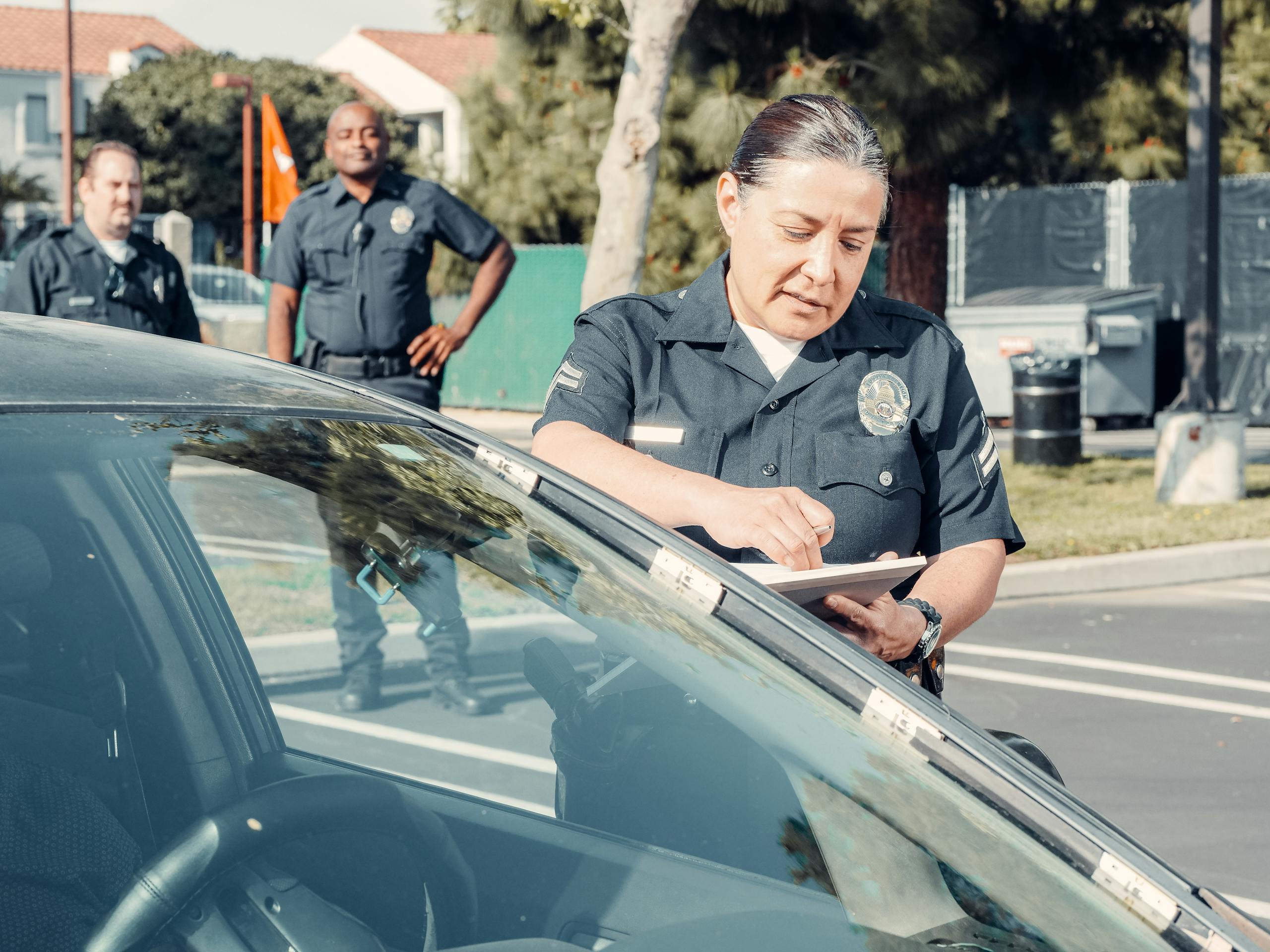
When the officer approaches, they’ll likely start with the usual: license, registration, and a quick look at your vehicle windows. If your tint seems darker than what Arizona tinting laws allow, the officer might decide to test it using a VLT meter. No need to panic, it’s just part of the routine.
Tinted Windows: How Police Measure Tint Darkness
This small device clamps onto your car window and measures the amount of light allowed through the film. The result pops up instantly, and if it shows your front side windows let in less than 33% light, that’s when trouble begins.
But here’s a pro tip: don’t argue about the number. It’s better to stay calm and cooperative. Some drivers make the mistake of saying, “But it came from the factory like that!”, which might be true for multi-purpose vehicles, but not for most cars.
What Happens After You’re Cited for Illegal Tint
If the reading fails, the officer can issue a fix-it ticket or a fine. The good news? You’ll usually get time to correct the issue before it affects your record. That’s where Smartfilm steps in.
We’ll remove your aftermarket tint, install a legal non-reflective tint, and provide proof of compliance, helping you get back on the road without stress.
The Penalties You Could Face

What actually happens if your tint doesn’t pass the test? Spoiler alert: it’s not the end of the world, but it’s definitely not something you want to ignore.
Arizona treats illegal window tint violations as civil offenses, which means you won’t end up in court wearing an orange jumpsuit, but your wallet might feel a little lighter.
Whether you drive a brand-new sedan or a multi-purpose vehicle, Arizona’s car tint laws are clear: if your visible light transmission doesn’t meet the required percentages, you can be cited. The goal isn’t to ruin your day; it’s to ensure adequate visibility for both you and law enforcement officers on the road.
Let’s break down what those penalties look like so you can handle them like a pro.
Fines, Corrective Orders, and Insurance Impacts
First things first: the fine. Depending on the city and circumstances, a tint ticket in Arizona usually ranges from $100 to $250. Sometimes, it’s simply a “fix-it” notice that gives you time to remove or replace the aftermarket tint. Once you show proof of compliance (that is, window tint within percentages), your ticket can be dismissed or reduced.
However, ignoring that ticket can cause bigger problems. Unresolved violations may eventually show up on your driving record, potentially raising red flags with your insurance provider. Higher risk? Higher rates. It’s like skipping leg day in a workout; one small decision can hurt more later.
Can an Illegal Tint Affect Vehicle Registration?
Absolutely, especially if you’ve been cited more than once; failing to address tinting violations can lead to registration delays or even holds on your vehicle renewal. The state wants proof that your window tinting complies with the law before it lets you hit the road again.
Luckily, Smartfilm makes it easy to turn things around fast. Our technicians can measure, remove, and replace illegal film with Arizona-compliant tint, keeping your car looking sharp and your registration running smoothly.
Contact Us!
Our expert window tinting and paint protection film services in Mesa, Tempe, Gilbert, and the surrounding Arizona metro area will keep your car cooler, protect your loved ones from UV rays, and maintain its pristine condition. Visit our website or shop to explore the perfect tint for your vehicle!
FAQ’s
What Are Arizona’s Legal Limits for Front and Rear Window Tint?
In Arizona, front side windows must let at least 33% of light transmission through. That means your tint can’t be darker than that limit. The rear windows and back windshield have more flexibility; you can use any darkness level as long as your vehicle has dual side mirrors for visibility.
Can You Get Pulled Over for Tint That’s Too Dark?
Yes, and it happens often. Law enforcement officers can legally pull you over if they suspect your window tint is darker than Arizona’s legal limit. They’ll verify it with a VLT (Visible Light Transmission) meter during the stop. Staying within the state’s tinting laws keeps you safe from tickets and fines.
How Do Police Test Window Tint During a Stop?
Officers use a handheld tint meter to measure the amount of light allowed through your car windows. The device clips onto your window and instantly displays your VLT percentage. If your front side windows allow less than 33% light, you violate Arizona’s car tint laws.
Can Smartfilm Check My Tint Percentage for Free?
Absolutely! Smartfilm offers free tint inspections to help Arizona drivers determine if their window tint percentages meet legal tint standards. Our team uses professional-grade tools to measure your visible light transmission accurately, no stress, no charge.
What’s the Process for Replacing Illegal Tint in Arizona?
It’s simple: Smartfilm removes your illegal or aftermarket tint, installs a legal non-reflective tint that meets Arizona tint laws, and provides proof of compliance for your records. You’ll leave with a car that’s stylish, compliant, and ticket-free, guaranteed.