Comparing PPF vs Ceramic Coating in Arizona
If you live in Arizona, your car’s worst enemies aren’t speeding tickets; they’re UV rays, dust storms, and loose gravel flying at your bumper like it’s target practice. That’s why the great debate of PPF vs Ceramic Coating in Arizona has every car owner wondering: which one truly keeps your paint safe from the desert’s wrath?
Let’s start with paint protection film (PPF), a thermoplastic urethane film that acts like a superhero cape for your vehicle’s paint. It’s thick, flexible, and built to prevent rock chips, minor scratches, and physical damage from everyday driving.
Thanks to its self-healing properties, a little sun exposure can make small marks disappear like magic. Basically, if your car could wear armor, this would be it.
Now, ceramic coating takes a different approach. Think of it as your car’s skincare routine, a liquid polymer applied over the painted surfaces that chemically bonds to create a glossy, hydrophobic surface.
Ceramic coatings provide a slick layer that repels water, resists chemical stains, and adds that irresistible enhanced gloss. It’s perfect for car enthusiasts who want a mirror-like shine and easier cleaning without worrying about Arizona’s harsh UV rays dulling their finish.
Both offer comprehensive protection, but in different ways: PPF brings superior physical protection, while ceramic coating enhances shine and reduces grime buildup. So, which is better for your lifestyle, budget, and vehicle’s exterior?
Let’s explain layer by layer and find out which one delivers ultimate protection under the Arizona sun.
What is Paint Protection Film (PPF)?
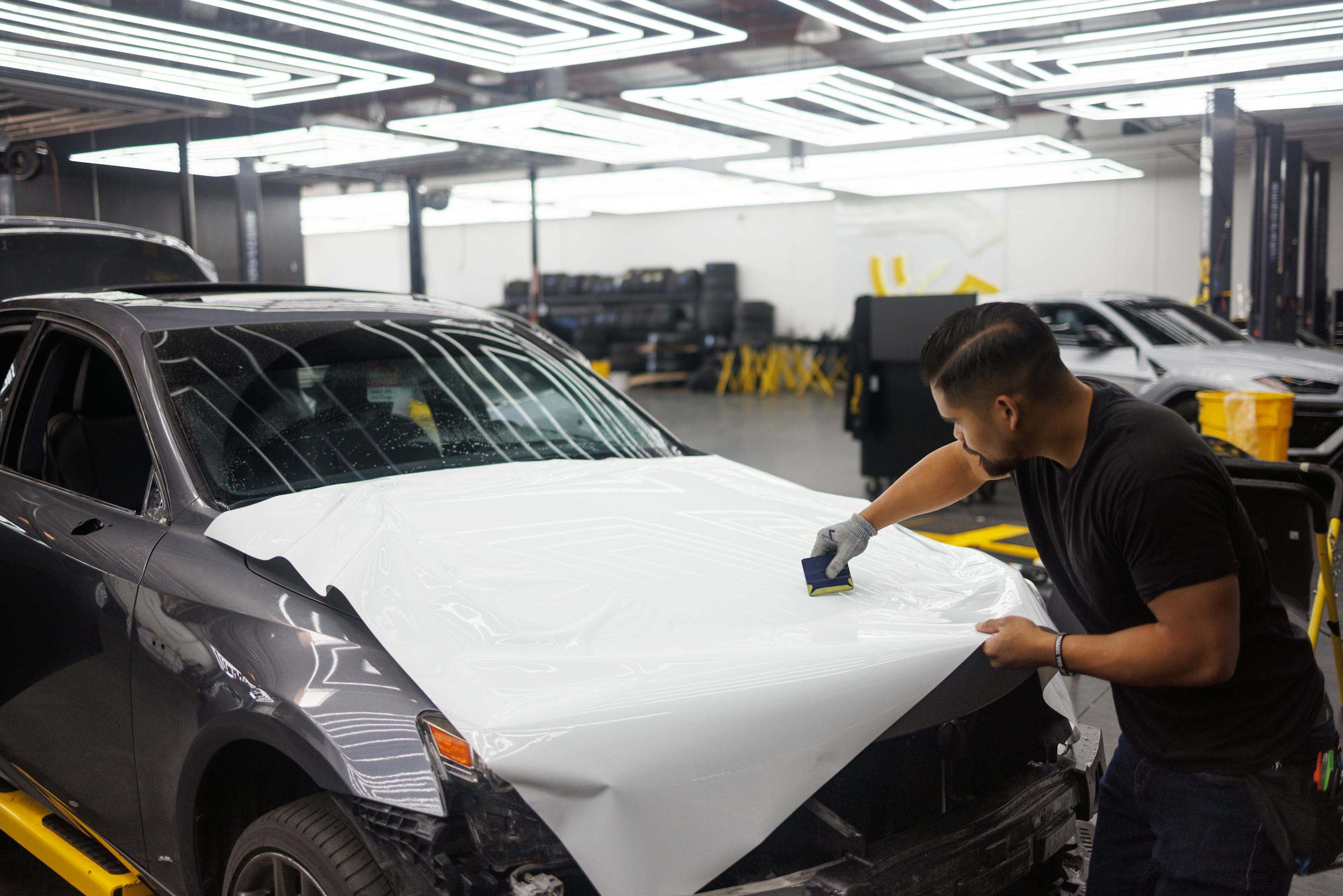
Paint Protection Film isn’t just about shine; it’s about survival. When you’re driving under the unforgiving Arizona sun, PPF becomes your first line of defense against the elements that attack your vehicle’s exterior every single day.
Made from a thermoplastic urethane film, this high-performance material acts like an invisible bodyguard, shielding your car’s paint from rock chips, road debris, and the constant bombardment of UV rays that can fade and oxidize even the best paint jobs.
But what makes PPF truly stand out is its self-healing properties; minor scratches and swirl marks literally vanish when exposed to heat, whether from the sun or a quick pass of warm water. That means your painted surfaces stay smoother and newer for longer, even under intense desert heat.
Professional PPF installation is key. When professionally installed, it adheres seamlessly to contours, curves, and high-impact areas like the front bumper, hood, and side mirrors for comprehensive protection.
Beyond its superior physical protection, PPF helps retain your car’s resale value, as it prevents paint damage before it starts, a must-have in Arizona’s harsh driving conditions.
For car enthusiasts who demand durability without sacrificing aesthetic appeal, paint protection film PPF delivers the perfect balance of toughness and transparency. It’s not just a protective layer, it’s a commitment to keeping your car looking as flawless as the day it rolled off the lot.
Read our article: What Happens If You Get Pulled Over for Illegal Window Tint in Arizona?
What is Ceramic Coating?
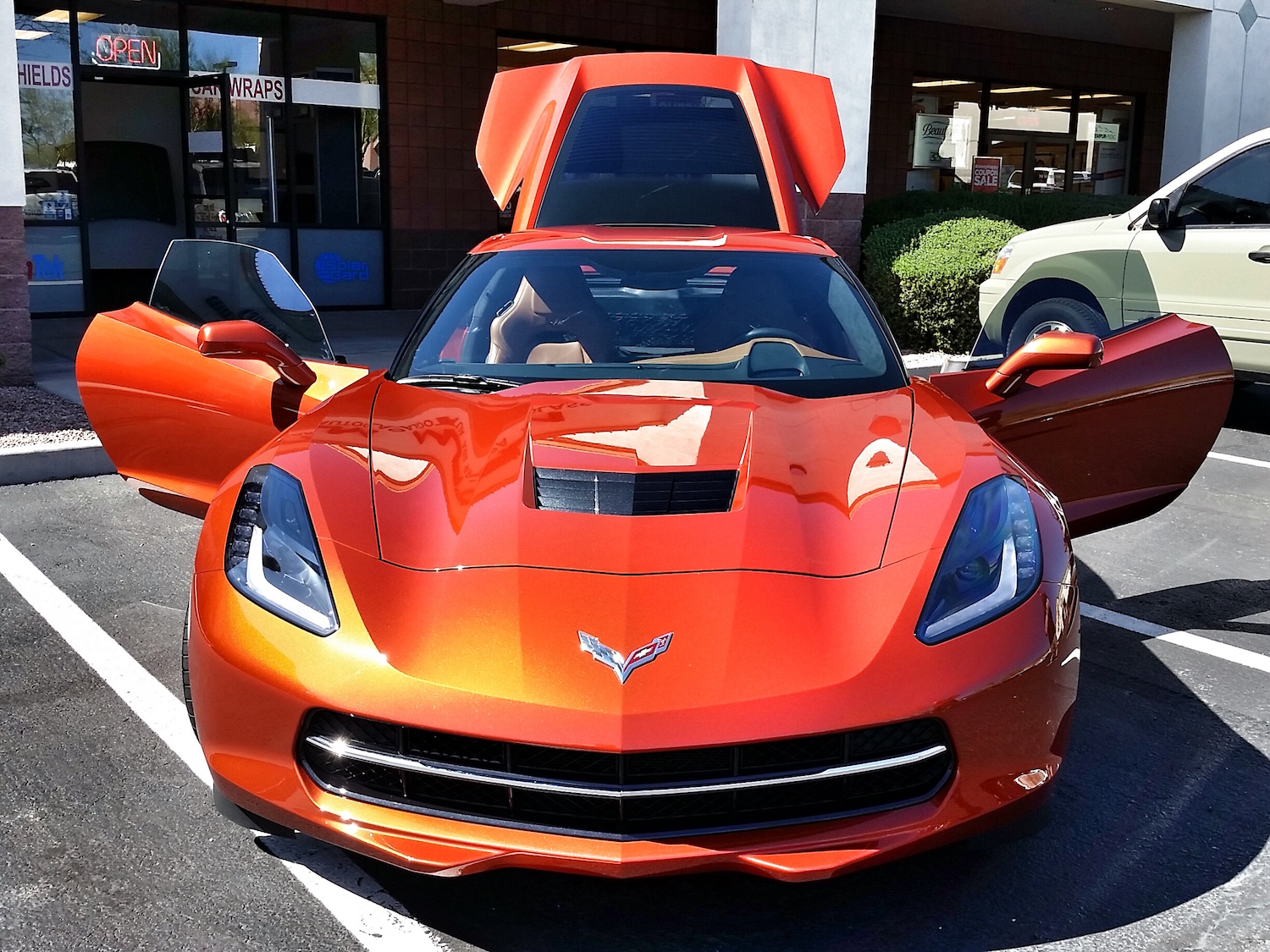
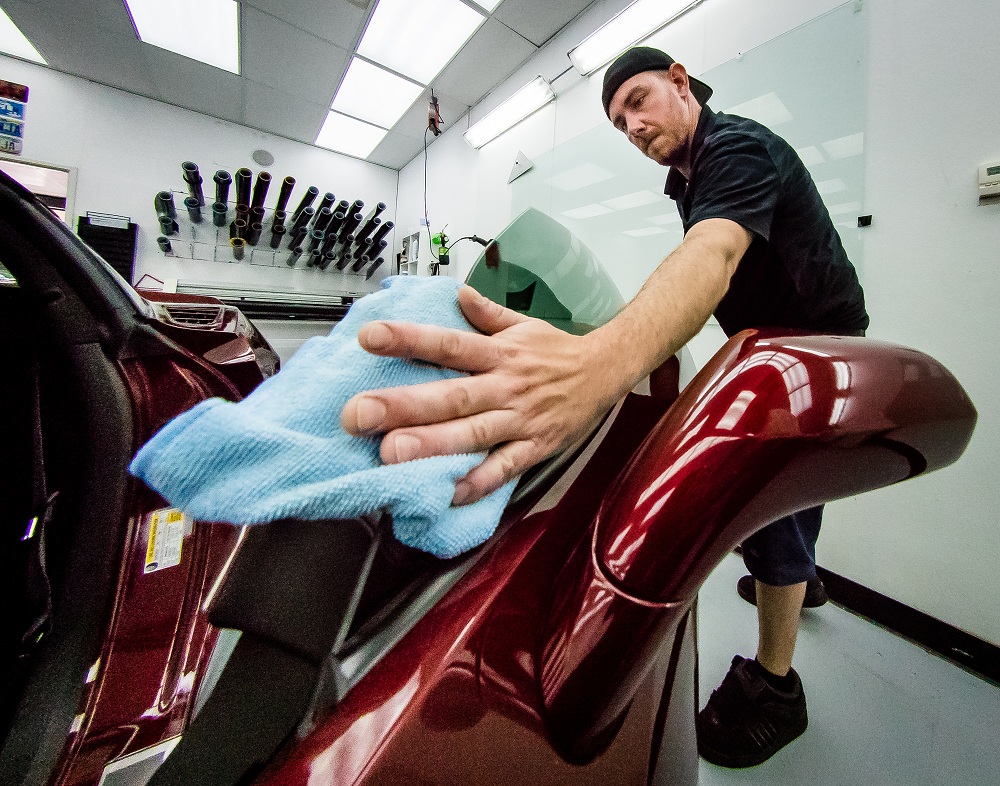
While PPF focuses on physical defense, ceramic coating takes the smart and sleek route. This liquid polymer is applied to your vehicle’s exterior and chemically bonds with the factory paint, creating a durable protective layer that enhances shine while adding UV protection.
The result? A hydrophobic surface that makes water bead up and slide off, leaving behind fewer chemical stains, dust particles, or water spots, is a real win for anyone tired of constant washes under the dusty Arizona sky.
Ceramic Coating: Advantages
- Enhanced gloss and shine: Creates a deep, reflective finish that amplifies your vehicle’s paint.
- UV and oxidation defense: Protects from harmful UV rays, preventing fading and dullness.
- Hydrophobic surface: Repels water, dirt, and grime, making cleaning quick and effortless.
- Chemical resistance: Shields against acidic contaminants, bird droppings, and harsh chemicals.
- Low maintenance: Reduces the need for waxing or frequent detailing.
Head-to-Head Comparison: PPF vs Ceramic Coating
| Category | Paint Protection Film (PPF) | Ceramic Coating |
| Protection Against UV and Oxidation | Offers exceptional UV protection, preventing oxidation and fading caused by Arizona’s intense sunlight. Acts as a physical barrier that fully blocks harmful rays from reaching your vehicle’s paint. | Provides strong UV resistance by reflecting harmful rays and slowing oxidation. However, it forms more of a chemical shield than a physical one. Ideal for maintaining color depth and shine. |
| Rock Chips, Scratches, and Physical Damage | Excels at absorbing rock chips, road debris, and minor scratches thanks to its self-healing properties. Perfect for high-impact areas like bumpers and mirrors. | Protects against light scratches and swirl marks, but lacks the thickness needed to block chips or deeper abrasions. Works best when combined with PPF for full defense. |
| Water, Dust, and Cleaning Ease | Repels water moderately but can accumulate dust or grime over time. Easy to clean with proper care but not fully hydrophobic. | Creates a hydrophobic surface that repels water, dust, and chemical stains. Ideal for Arizona’s dusty climate and car owners who prefer low-maintenance shine. |
| Lifespan and Maintenance Requirements | Lasts 5–10 years with proper care and professional installation. Requires gentle washing and periodic inspection for edge wear. | Typically lasts 2–5 years, depending on product quality and maintenance. Occasional reapplication or top-up coating keeps the glossy finish strong. |
Which One Is Right for You?
Choosing between PPF and ceramic coating depends on how you drive and what you value most in your car’s appearance and protection.
If you’re clocking miles on Arizona’s highways every day, battling road debris, UV rays, and dust storms, PPF is your best defense. PPF is built for practicality and endurance, the perfect solution for drivers who want maximum protection without worrying about reapplication.
On the other hand, if your vehicle is a garage queen or weekend showstopper, ceramic coating offers that irresistible enhanced gloss and mirror-like shine. It’s ideal for car enthusiasts who want their vehicle’s appearance to stand out while simplifying cleaning and maintenance.
Full Vehicle Protection vs Enhanced Appearance
For comprehensive protection, PPF takes the win, especially when installed on high-impact areas like the front bumper and side mirrors.
But for those prioritizing aesthetic appeal and easy upkeep, ceramic coatings deliver a deep gloss and hydrophobic surface that keeps dust, dirt, and water away.
Many Arizona drivers even combine both for the ultimate protection: PPF first, then ceramic coating for the perfect shine.
Contact Us!
Our expert window tinting and paint protection film services in Mesa, Tempe, Gilbert, and the surrounding Arizona metro area will keep your car cooler, protect your loved ones from UV rays, and maintain its pristine condition. Visit our website or shop to explore the perfect tint for your vehicle!
FAQ’s
What’s the Biggest Difference Between PPF and Ceramic Coating in Arizona?
In Arizona’s desert climate, many drivers prefer PPF for impact resistance and pair it with ceramic coating for shine and easy cleaning.
Does Ceramic Coating Protect Against Rock Chips?
No. Ceramic coating does not protect against rock chips or deep scratches. It’s a liquid polymer that shields against UV rays, oxidation, and chemical stains, but lacks the thickness to absorb physical impacts.
How Long Does PPF Last in Arizona’s Heat?
High-quality PPF typically lasts 5–10 years in Arizona, depending on maintenance and exposure. Films with UV protection and self-healing properties tend to last longer even under extreme heat.
Can I Apply Ceramic Coating Over PPF?
Yes! In fact, it’s recommended. Applying ceramic coating over PPF enhances gloss, adds a hydrophobic surface, and makes cleaning easier without affecting the film’s self-healing properties.
Which Is More Expensive: PPF or Ceramic Coating?
PPF is generally more expensive due to material thickness and professional installation requirements. However, it provides superior physical protection, while ceramic coating offers a lower-cost way to boost shine and resist environmental damage.