PPF Lifespan Arizona: How Long Does Paint Protection Last?
If you’ve ever stepped into your car after it’s been baking all day under the Arizona sun, you know the struggle is real. Sunglasses on, steering wheel untouchable, and your vehicle’s paint silently begging for mercy.
Between UV rays, rock chips, road debris, and harsh weather conditions, Arizona can wreak havoc on your car’s exterior. That’s where paint protection film (PPF) comes in; the invisible superhero that guards your vehicle’s paint from damage while keeping that showroom shine intact.
But here’s the million-dollar question: How long does PPF really last in Arizona’s extreme heat? Some say five years, others claim ten.
The thing is, your PPF lifespan in Arizona depends on a mix of environmental factors, installation quality, and proper maintenance. Not all protective films are created equal; high-quality PPF like XPEL or 3M offers superior resistance and self-healing properties that outlast generic options.
Think of it as sunscreen for your car’s paint job, skip the professional PPF installation, and you’ll get burned (literally and financially).
In this guide, we’ll break down everything you need to know to keep your vehicle’s surface protected for the long haul, including:
- What Is Paint Protection Film?
- Average PPF Lifespan in Arizona’s Climate
- Factors That Affect PPF Longevity
So buckle up because understanding your PPF lifespan could make all the difference between a flawless car’s appearance and a fading memory of what it once looked like.
Paint Protection Film: Overview
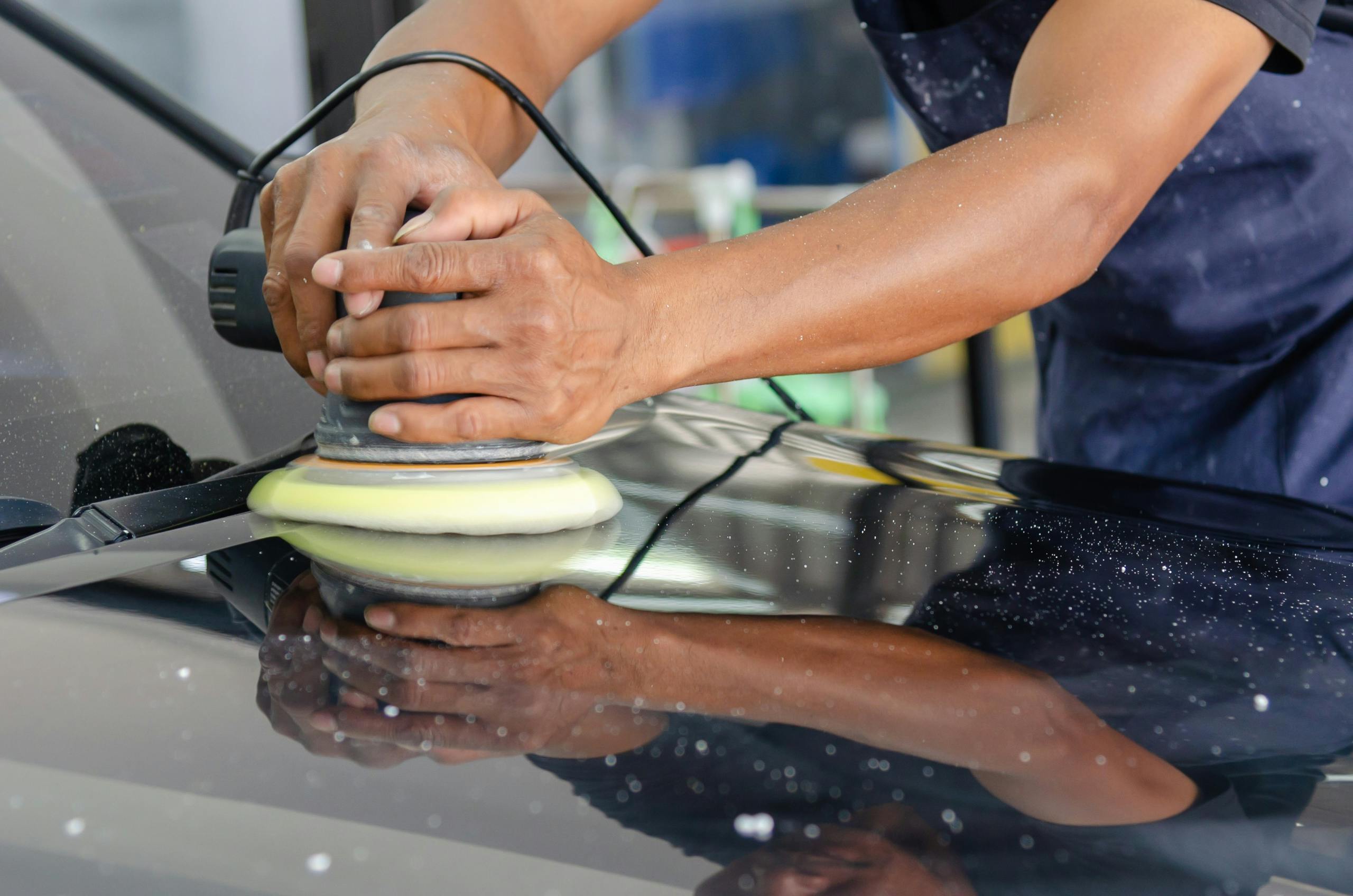
Paint Protection Film is a transparent urethane-based protective film designed to safeguard your car’s paint from physical and environmental damage. Originally developed for military use, it’s now one of the most effective ways to preserve your vehicle’s appearance and resale value.
PPF acts as an additional protective layer over your car’s exterior, shielding it from rock chips, road debris, harsh chemicals, and UV exposure.
Modern high-quality PPF products, such as XPEL or 3M Scotchgard, feature self-healing properties that allow minor scratches to vanish when exposed to heat, maintaining a showroom shine even after years on the road.
How PPF Protects Your Car’s Paint
In Arizona, where extreme heat and UV rays can quickly fade or oxidize your vehicle’s paint job, PPF provides superior resistance and UV protection.
The film’s surface absorbs the impact from debris, preventing chips or staining, while the self-healing topcoat restores small abrasions with warmth or sunlight.
This dual-layer defense ensures your car’s surface stays smooth, glossy, and protected from premature aging caused by sun exposure and harsh weather conditions.
Read our article: How Dark Can You Go? Understanding Arizona Tint Percentage Rules
Why It’s Popular Among Arizona Drivers
Because Arizona’s climate is one of the toughest on vehicles, professional PPF installation has become a smart investment for car owners who want long-lasting protection.
Drivers value PPF for its ability to withstand desert dust, heat exposure, and the wear of city streets without yellowing or peeling. When paired with proper maintenance and routine cleaning, paint protection film can easily deliver up to a decade of reliable defense for your vehicle’s paint.
Arizona’s Climate: Average Paint Protection Film Lifespan
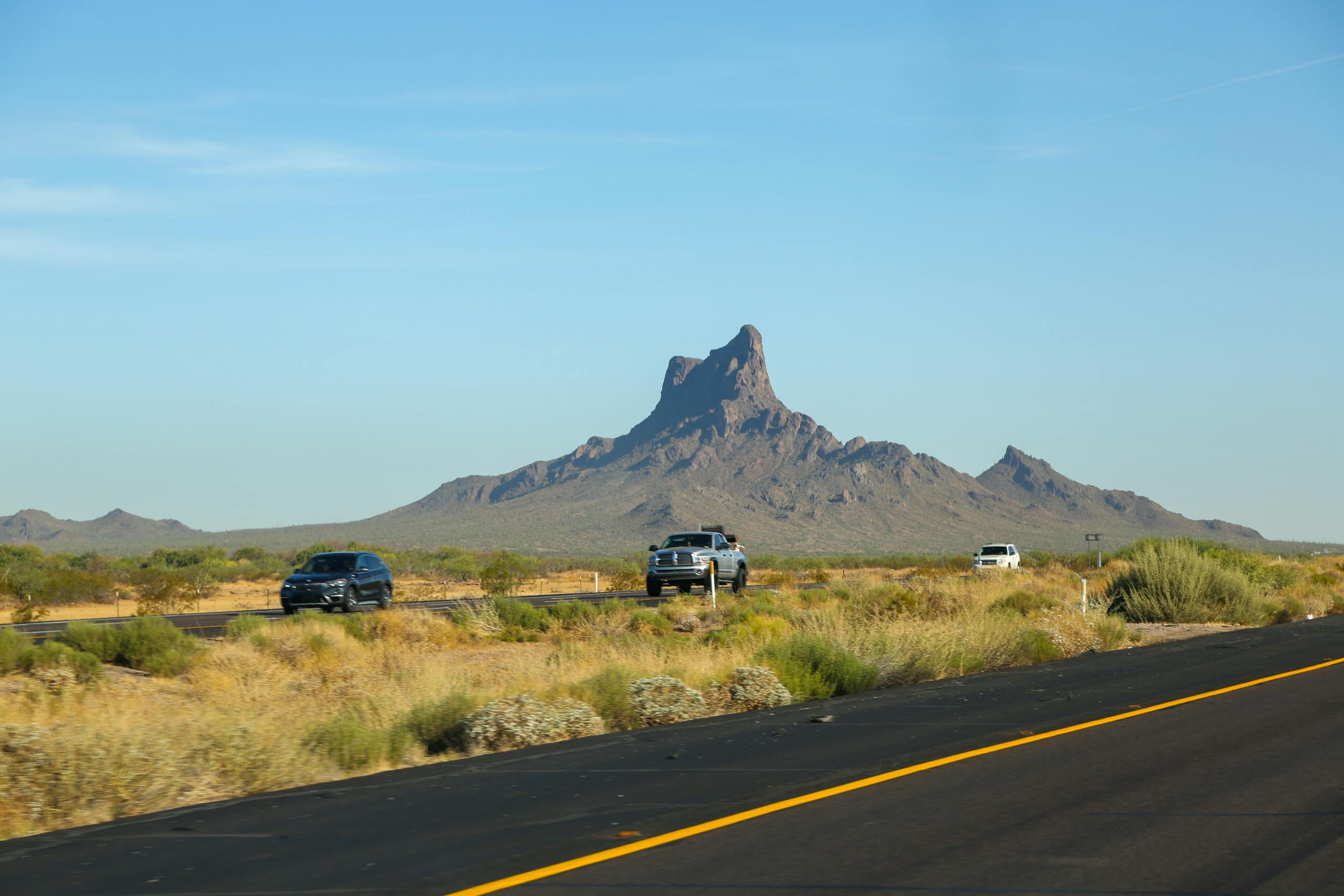
Arizona’s combination of extreme heat, intense UV rays, and desert air puts any protective film to the ultimate test. While PPF is designed for long-term protection, the film’s lifespan can vary based on installation quality, environmental factors, and how the vehicle is cared for.
On average, high-quality PPF in Arizona lasts 5 to 10 years, depending on exposure to direct sunlight and proper maintenance. Cars parked outdoors year-round may see a shorter lifespan due to UV exposure and heat absorption, while those stored under shade or with a car cover can maintain their film’s surface for much longer.
Routine cleaning and gentle washing also help prevent premature wear, yellowing, or peeling caused by harsh elements.
Read our article: Understanding Windshield Tint Law Arizona: Legal Limits, Exceptions & Penalties
Expected Lifespan in Hot & Sunny Conditions
Under Arizona’s relentless sunshine, PPF works overtime. The UV rays can gradually weaken adhesives, and heat exposure may accelerate film degradation if the material isn’t engineered for high temperatures.
However, modern premium PPF is built with UV protection properties that improve the film’s longevity. Avoiding harsh chemicals and using a soft cloth for washing, car owners can expect their PPF to last closer to 8–10 years, even in harsh environments.
Comparison: XPEL vs 3M vs Other PPF Brands
| Feature | XPEL Ultimate Plus | 3M Scotchgard | Other Generic Brands |
| UV Protection | Excellent — advanced UV resistance designed for Arizona’s harsh sunlight | Good — protects against fading but less resistant to prolonged UV exposure | Moderate — often lacks full UV protection layers |
| Self-Healing Properties | Outstanding self-healing under heat or direct sunlight | Moderate — requires more heat to activate self-healing properties | Limited or none — scratches may remain visible |
| Durability in Heat | Exceptional — engineered for extreme heat and high-temperature stability | Reliable but may degrade faster in desert conditions | Poor — prone to peeling, yellowing, or air bubbles |
| Clarity and Finish | Crystal-clear film surface that enhances car’s paint gloss | High clarity but can slightly dull over time | Varies — some may cause hazy or uneven finish |
| Maintenance Needs | Low — easy routine cleaning and long-term protection | Moderate — may require more frequent washing or car cover use | High — frequent issues with film’s longevity and adhesion |
| Average Lifespan in Arizona | 8–10 years with proper care | 5–7 years depending on exposure | 3–5 years on average |
| Best For | Drivers seeking maximum protection and superior resistance | Those wanting reliable UV protection at a lower cost | Temporary or budget protection with limited durability |
Factors That Affect PPF Longevity
Even the most high-quality PPF needs a little help to stand the test of time, especially in Arizona. Here’s what plays the biggest role in your PPF lifespan:
UV Exposure and Desert Heat
- Prolonged exposure to UV rays and extreme heat can weaken the adhesive layer of your paint protection film PPF over time.
- The Arizona sun accelerates oxidation, causing lower-quality films to yellow or peel faster.
- Parking in shaded areas or using a car cover helps maintain the film’s surface and self-healing properties.
- Premium PPF like XPEL includes advanced UV protection to resist fading and heat damage for long-term protection.
Driving Habits and Road Conditions
- Constant highway driving, construction zones, and dusty city streets expose your car’s paint to more road debris and rock chips.
- The more your car faces impact and abrasion, the faster the film’s lifespan can be shortened.
- Gentle driving and avoiding tailgating help minimize wear.
Maintenance and Cleaning Frequency
- Routine cleaning with a soft cloth and pH-balanced soap extends film longevity.
- Avoid harsh chemicals or pressure washers that can damage edges.
- Regular inspections by a professional installer ensure optimal protection and early repair of any lifting or bubbling.
Read our article: What Happens If You Get Pulled Over for Illegal Window Tint in Arizona?
How to Extend the Lifespan of PPF in Arizona
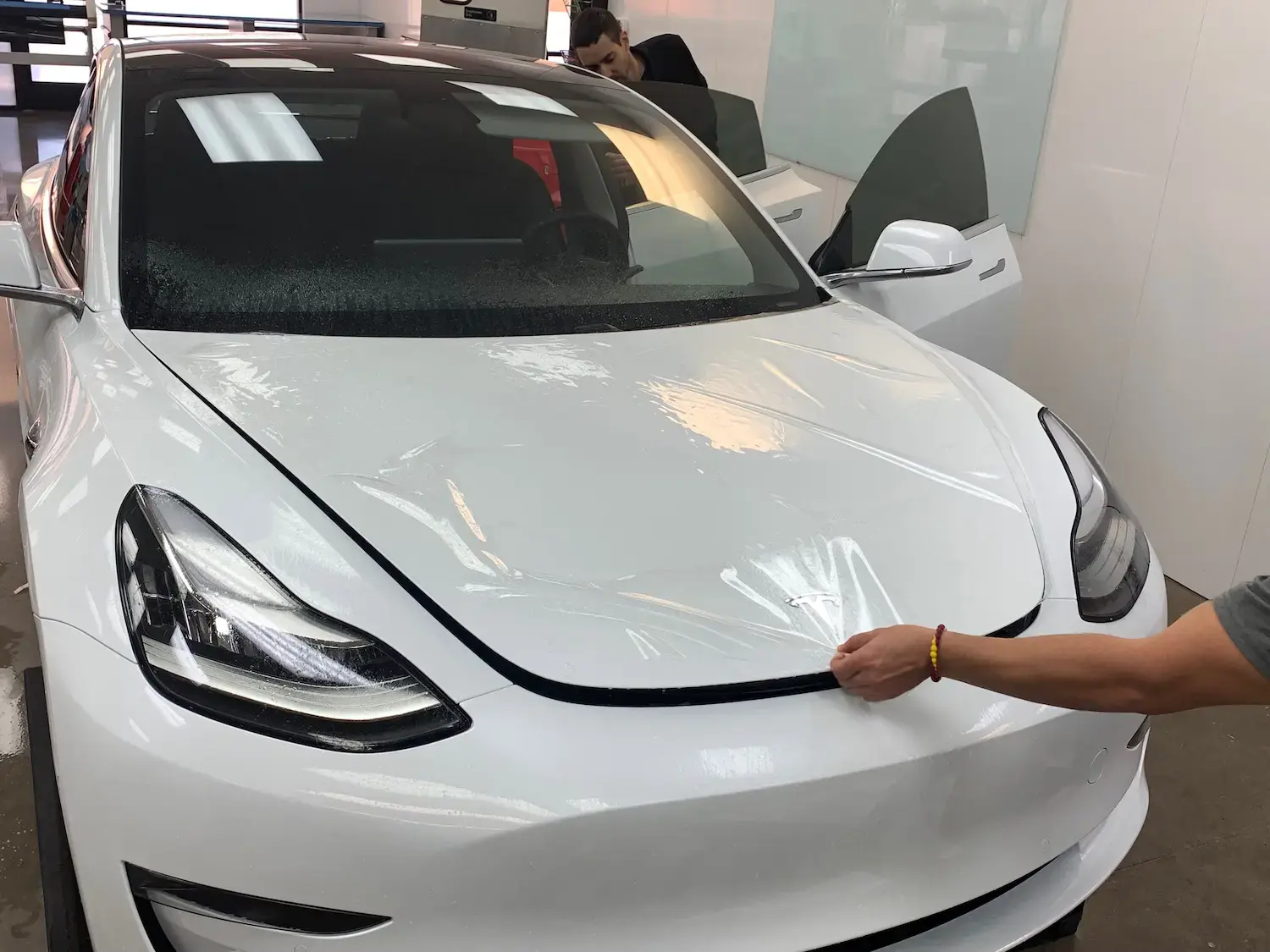
While high-quality PPF is built to withstand Arizona’s extreme heat and UV rays, how long it lasts largely depends on how well you care for it.
Simple maintenance practices can add years to your film’s lifespan while keeping your car’s paint flawless.
Maintenance Best Practices
- Routine Cleaning: Wash your car every two weeks using a soft cloth or microfiber towel and a pH-neutral soap. Avoid harsh chemicals or abrasive sponges that can dull the film’s surface.
- Protect from Sun Exposure: Whenever possible, park in shaded areas or use a car cover. Even UV-resistant films benefit from reduced heat exposure.
- Avoid Automatic Car Washes: The rotating brushes and high-pressure water jets can lift film edges and scratch the protective layer.
- Use Ceramic Coating Over PPF: For long-lasting protection, consider applying a ceramic coating on top of your paint protection film. It adds extra resistance against dust, dirt, and water spots.
- Professional Inspections: Schedule checkups with a professional PPF installer once a year to catch any bubbling, peeling, or discoloration early.
When to Replace or Reapply PPF
Signs it’s time to replace your paint protection film include yellowing, peeling edges, or loss of self-healing properties. Depending on installation quality and environmental factors, most premium PPF lasts 8–10 years in Arizona.
Replacing damaged sections promptly prevents underlying paint damage and maintains your vehicle’s resale value.
Is PPF Worth It for Arizona Drivers?
Absolutely. For anyone living under the relentless Arizona sun, PPF installation isn’t just a luxury—it’s smart protection. Between road debris, UV exposure, and harsh weather conditions, Arizona’s environment can quickly deteriorate your car’s exterior.
A quality PPF provides superior resistance, self-healing performance, and long-term protection that saves money on repainting and detailing. It keeps your vehicle looking new, safeguards your investment, and ensures your car’s appearance stays as sharp as the day it left the showroom.
Contact Us!
Our expert window tinting and paint protection film services in Mesa, Tempe, Gilbert, and the surrounding Arizona metro area will keep your car cooler, protect your loved ones from UV rays, and maintain its pristine condition. Visit our website or shop to explore the perfect tint for your vehicle!
FAQ’s
Does PPF Last Longer Than Ceramic Coating?
Yes. PPF lifespan typically ranges from 5–10 years, while ceramic coatings last around 2–5 years. PPF offers physical protection against rock chips and road debris, making it more durable in Arizona’s harsh environment.
Can You Apply Ceramic Coating Over PPF?
Absolutely. In fact, it’s a popular combo. Applying a ceramic coating over paint protection film enhances UV protection, adds hydrophobic properties, and makes cleaning easier—without affecting self-healing performance.
Which Option Handles Arizona Heat Better?
PPF performs better overall under Arizona’s extreme heat. While ceramic coatings protect against UV rays and oxidation, high-quality PPF like XPEL offers superior resistance to both heat exposure and physical damage.
Is PPF Covered Under Warranty for Sun Damage?
Yes. Most premium PPF brands like XPEL and 3M include warranties covering UV damage, yellowing, and cracking caused by sun exposure. Always verify coverage details with your professional installer for your specific film.