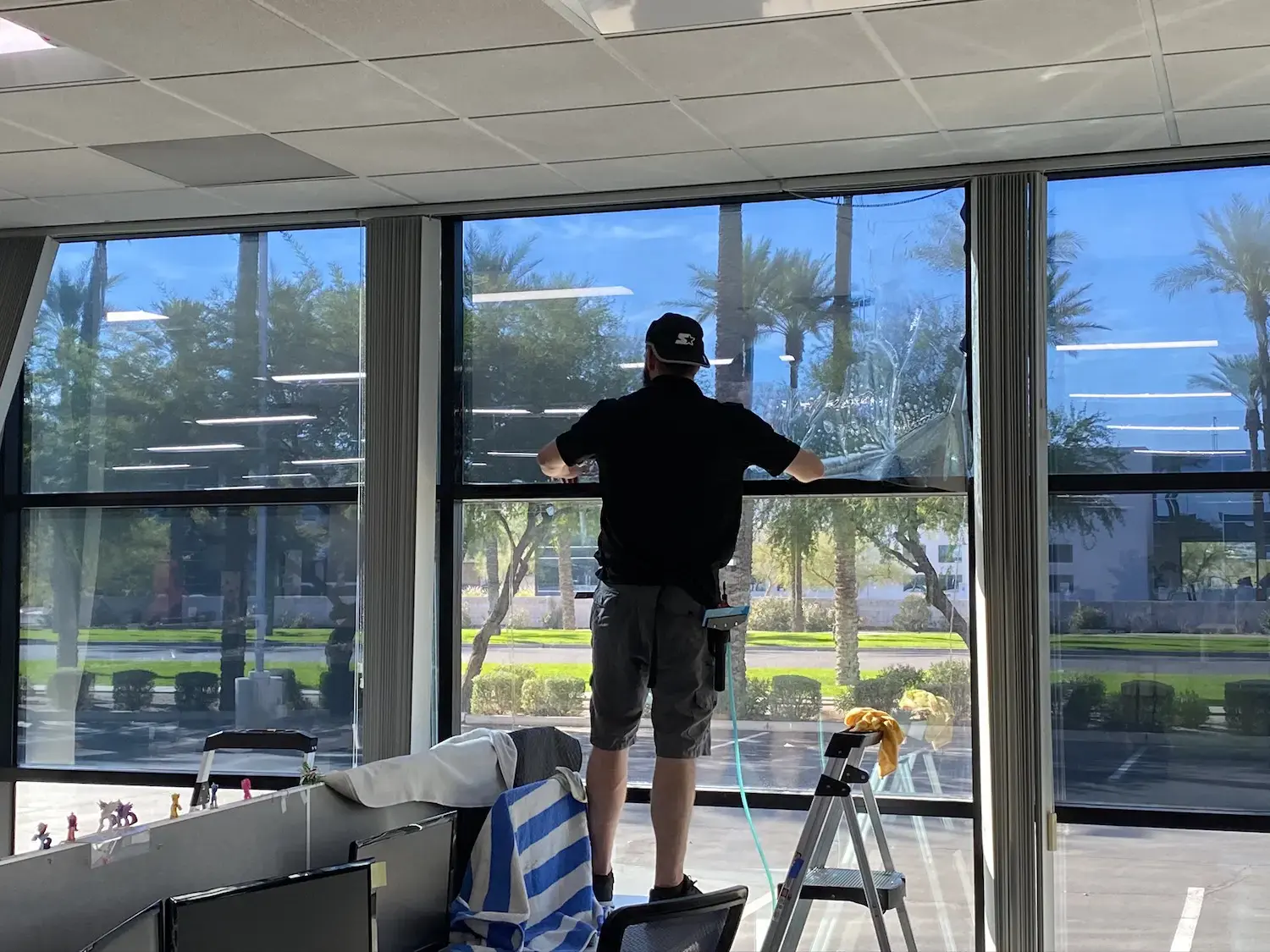
Does Window Tint Reduce Energy Bills in Arizona Homes?
Arizona homeowners deal with intense desert heat, even when they keep the blinds closed and the air conditioning running. As cooling costs go up, many people ask if window tint can actually lower their energy bills.
The short answer is yes. Energy-efficient window tint in Arizona is designed for the harsh sun. These advanced films block infrared heat and UV rays, which helps keep your home cooler, reduces AC use, and lowers your energy bills.
If you’re dealing with hot windows or rising bills, window tint in Arizona helps by blocking heat, reducing glare, and keeping your home comfortable while still letting you enjoy your view.
In this article, we’ll cover how window tint works, the science behind energy savings, and what Arizona homeowners can expect in real terms.
If you want a cooler, more efficient, and more comfortable home, consider looking into local window tinting options or talking to a professional.
Start taking steps to lower your energy bills, and you’ll notice the savings.
How Window Tint Saves Energy in Arizona Homes
Many Arizona homeowners choose window tinting mainly for better temperature control. In a place where summer days often reach triple digits, every degree matters. That’s where modern window films make a real difference.
Window tint blocks much of the infrared radiation, UV rays, and solar heat before they get inside, which helps keep indoor temperatures steady. This means your AC doesn’t have to work as hard.
Top choices like ceramic window tint, spectrally selective window film, and advanced solar films use special technology to block heat while keeping your home bright. Rather than absorbing heat, these films reflect and filter it, so you’ll notice cooler rooms right away.
That’s why many homeowners quickly notice more even temperatures, fewer hot spots, and less need for the AC to run all the time.
Window tinting brings real savings by making your cooling system work less in the Arizona sun. As your need for cooling goes down, so do your energy bills.
No matter if you pick 3M window film, Prestige Series, Infinity DS, or another top option, the main goal is to lower your cooling costs and keep your Arizona home comfortable all year.
Besides saving energy, window tint protects your home from harmful UV rays, helps prevent fading, and adds extra insulation. It’s one of the best upgrades for homes in our desert climate.
The Science Behind Window Tint and Energy Efficiency
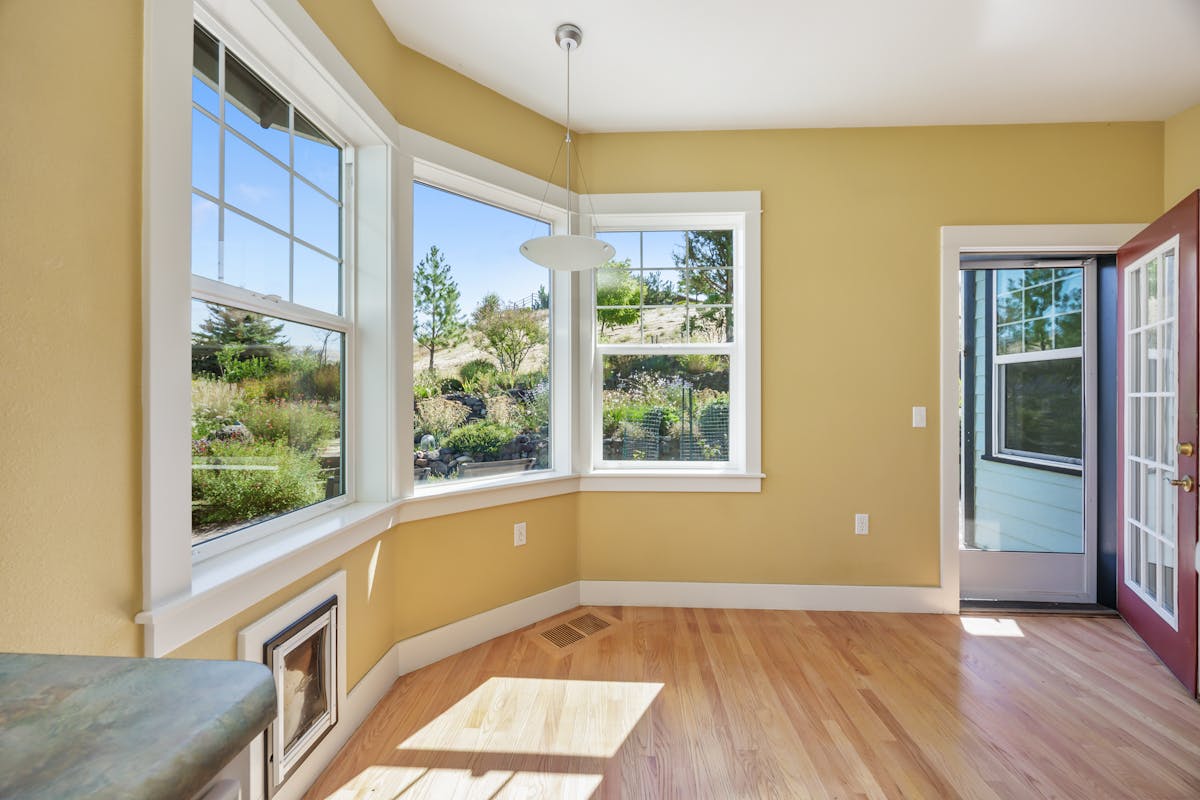
Heat Rejection
Homeowners often feel more comfortable right after installing window tint because it blocks heat so well. Advanced films, like ceramic, spectrally selective, and premium options such as Prestige, Infinity DS, or Aurora, use special layers and technology to block much of the infrared radiation.
Because infrared radiation is the main cause of indoor heat, blocking it before it gets inside helps keep rooms cooler. This lets your AC run less often, which saves energy and lowers cooling costs in your Arizona home.
UV Blocking
Arizona’s strong sunlight brings high levels of harmful UV rays that can damage your skin, fade furniture, and wear down surfaces. Modern UV protection window film can block up to 99% of these rays.
This makes your indoor space safer and helps your flooring, art, and décor last longer. By blocking UV rays at the window, these films add comfort and long-term protection.
Insulation Effects
Window tint isn’t a substitute for insulated windows, but it does improve your home’s thermal performance. The thin, heat-controlling layer helps keep cool air in during summer and holds warmth in during winter, making indoor temperatures more stable all year.
This steady temperature puts less strain on your HVAC system, improves energy efficiency, and helps answer the question: Does window tint reduce energy bills?
All these benefits—blocking heat, stopping UV rays, and adding insulation—work together to make your home more comfortable and energy efficient, which is ideal for Arizona’s tough climate.
Comparing Window Tint to Other Energy-Saving Upgrades

When Arizona homeowners look for ways to lower cooling costs, window tinting is often compared to other upgrades like blinds, low-E glass, or replacing windows with energy-efficient models.
But when you compare these options, energy-efficient window tint in Arizona often gives you the best mix of performance, affordability, and lasting comfort.
Window Tint vs. Blinds & Shades
Blinds can block light, but they do very little to stop infrared radiation and ultraviolet rays from heating your home.
Heat still comes through the glass, warms up the room, and makes your AC work harder. In contrast, energy-saving window film blocks heat before it gets inside, which lowers energy use and keeps your home comfortable.
Premium films, such as ceramic or spectrally selective tints, let you keep your views and natural light without making your home darker.
Window Tint vs. Low-E Glass
Low-E glass works well for reducing heat, but replacing your windows can be very expensive. Window tinting for homes offers similar benefits, like blocking heat, UV protection, and less glare, at a much lower cost.
High-performance films like 3M, Prestige, or Infinity DS use advanced coatings and technology similar to what’s in low-E windows. This gives Arizona homeowners an affordable energy upgrade without needing to replace their windows.
Window Tint vs. New Energy-Efficient Windows
Replacing old windows is the most expensive option. While new energy-efficient windows improve insulation, window tint adds extra protection from UV rays and solar heat to both old and new windows. That’s why tinting is a smart first step before a big renovation.
Overall, window film is one of the most effective, affordable, and quick ways to lower cooling costs in Arizona’s desert climate.
How Much Can You Save on Energy Bills?

Industry data shows that energy-efficient window tint in Arizona can block 50-60% of the solar heat coming through your windows. This usually means you could see 10-30% lower cooling costs, depending on your home’s layout and AC use.
For example, the Salt River Project (SRP) rebate program highlights how shade screens and window film can target the roughly 50% of heat that enters through windows, offering homeowners in the Phoenix area a direct path to lowering their energy bills.
If your summer electricity bill is $300 a month, a 10-30% drop could save you $30 to $90 each month, or $360 to $1,080 a year. That’s not just comfort—it’s real savings for your home and budget.
Next, we’ll show you how to figure out your own savings, compare different film types, and help you choose the best window tinting for your Arizona home.
The Best Types of Window Tint for Energy Efficiency

Here are the best options for real energy efficiency.
Ceramic Window Films
Ceramic window tint is known as the top choice for hot climates. It uses advanced technology to block a lot of infrared heat without making your windows darker. Ceramic films can block up to 99% of UV rays and greatly reduce heat, making them ideal for Arizona summers. They also keep your windows clear, so you get comfort without losing natural light.
Dual-Reflective Window Films
Dual-reflective films have a reflective outside and a less reflective inside, so they block heat well and still look good indoors. They’re great for cutting glare and keeping temperatures steady, especially on west- and south-facing windows. They also give you more privacy during the day and better nighttime clarity than older mirrored films.
Low-E Window Films
If you want insulation all year, low-E window films are a good choice. They block solar heat in summer and reflect indoor warmth back inside during cooler months. For Arizona homeowners, low-E films improve energy efficiency without changing how your windows look.
Professional vs. DIY Installation
When you want to lower energy bills with window tinting in Arizona, how you install it is just as important as the film you pick. DIY kits may cost less at first, but professional installation gives you better performance, durability, and warranty—especially in Arizona’s tough climate.
Cost Differences
DIY tinting costs less at first, but it can lead to bubbling, peeling, or uneven results. These problems reduce heat blocking and often mean you’ll need to replace the film sooner.
Professional installation costs more at first, but you get better films like ceramic, dual-reflective, or spectrally selective tints, applied by certified installers with the right tools. This means better performance and a longer lifespan, which pays off through energy savings.
Longevity & Performance
DIY films usually last only 1 to 3 years before fading or peeling in Arizona’s strong sun. Professionally installed films, like 3M Prestige, ceramic, or Infinity DS, are made to last 15 to 25 years or more, even in extreme heat and UV.
This long lifespan means you get steady heat reduction, better comfort, and energy savings for years.
Warranty Coverage for Professional Window Films
Most professional-grade films come with strong warranties, often covering bubbling, peeling, discoloration, or adhesive failure for life. DIY films usually have limited protection, and mistakes during installation can void any warranty.
Read more: DIY Tint vs. Professional Installation in Arizona: What the Law Says
Why Arizona Homes Benefit More from Window Tint
Arizona isn’t just hot; it’s extreme. With constant sunshine, high summer temperatures, and some of the highest UV levels in the country, homes here face challenges most other states don’t.
This strong UV exposure not only heats up your home but also fades furniture, damages floors, and makes your AC work much harder.
Nearly half of the heat in your home comes through untreated windows, so Arizona homeowners feel the effects more than most. That’s why energy-efficient window tint makes such a difference. High-performance films block infrared heat and up to 99% of harmful UV rays before they get inside, quickly reducing hot spots and lowering indoor temperatures.
When your AC doesn’t have to run all the time to keep up with the desert sun, your energy bills go down, your home stays cooler, and your system lasts longer. In Arizona, window tint isn’t just a luxury—it’s one of the smartest upgrades for comfort, protection, and long-term savings.
How to Choose a Reputable Window Tint Company
Choosing the right window tint company is important for real energy savings and lasting results. Look for companies with certified installers, good customer reviews, and experience with Arizona’s climate.
Always ask which film brands they use—high-quality options like ceramic, dual-reflective, or 3M films give you better heat blocking and durability. Make sure the company offers clear pricing, a strong lifetime warranty, and is properly licensed, like having an Arizona contractor license (ROC). Avoid companies that use high-pressure sales and choose those that focus on education, transparency, and good customer service.
Contact Us!
Our expert window tinting and paint protection film services in Mesa, Tempe, Gilbert, and the surrounding Arizona metro area will keep your car cooler, protect your loved ones from UV rays, and maintain its pristine condition. Visit our website or shop to explore the perfect tint for your vehicle!
FAQ’s
Does Window Tint Really Lower Energy Bills In Arizona Homes?
Yes. High-quality window tint can reduce cooling costs by 10–30% by blocking heat and UV rays before they enter your home.
What Type Of Window Tint Is Best For Energy Efficiency?
Ceramic, dual-reflective, and low-E films offer the strongest heat rejection and UV protection, making them ideal for Arizona’s climate.
How Long Does Energy-Saving Window Film Last?
Professional-grade films typically last 15–25 years, even under Arizona’s intense heat and sunlight.
Is Residential Window Tinting Worth The Cost?
Absolutely. Window tinting delivers lower energy bills, improved comfort, reduced fading, and long-term protection—often paying for itself within a few years.
Can Tinted Windows Still Let In Natural Light?
Yes. Modern films block heat and UV rays without darkening your home, keeping spaces bright and comfortable.
Does Tint Affect Resale Value Or HOA Rules?
Tint can boost resale appeal by improving efficiency and comfort. However, always check HOA guidelines on reflectivity or film color before installation.